

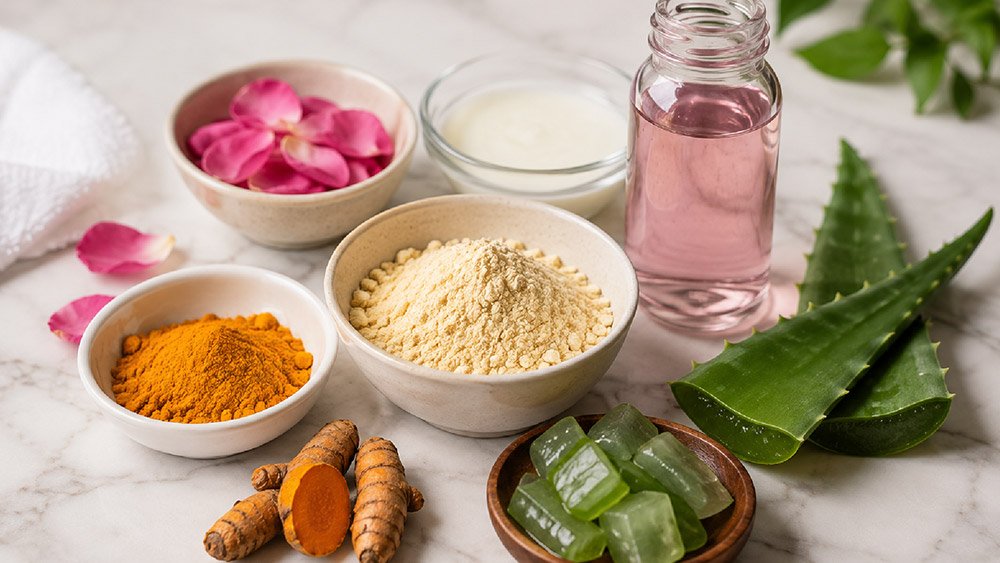
Not Every “Natural Remedy” Actually Works — Here’s What Does
Search “home remedies for glowing skin” and you’ll find hundreds of lists — lemon on your face, toothpaste on pimples, baking soda scrubs. Most of these aren’t backed by any real evidence, and some can actually damage your skin barrier over time. But a few natural ingredients do have genuine research behind them, tested in actual dermatology studies rather than just passed around as folk wisdom. Here are three that are worth your time — and the science behind why they work.
1. Niacinamide (Vitamin B3) — For Brightness and Even Tone
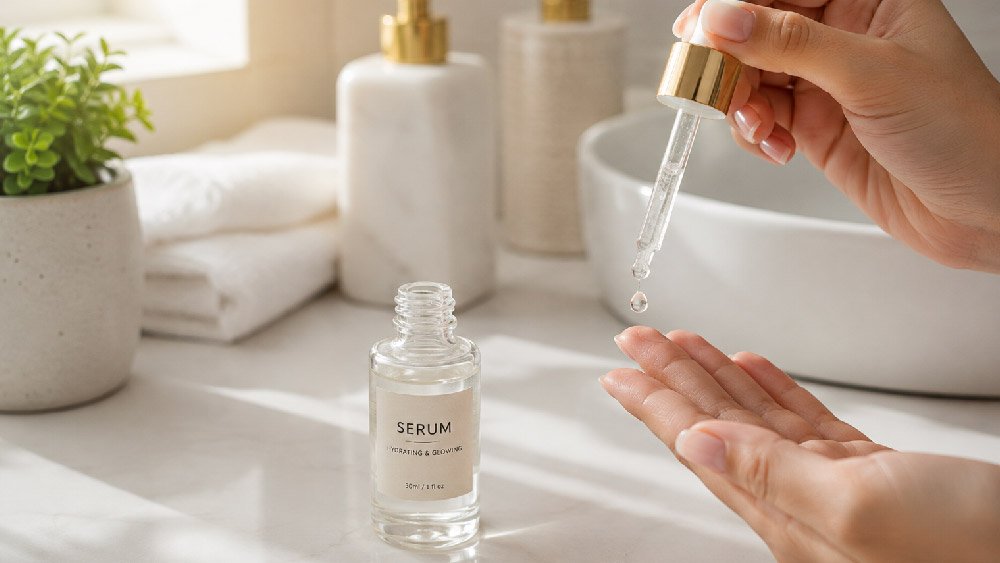
Niacinamide has quietly become one of the most studied natural ingredients in skincare, and for good reason.
What the research shows: A 2004 study published in the Journal of Dermatological Science, led by researcher T. Hakozaki, found that niacinamide significantly reduced pigmentation and suppressed the transfer of melanin to skin cells — meaning it directly helps fade dullness and uneven tone rather than just masking it temporarily.
Why it works:
- Strengthens the skin’s natural moisture barrier
- Reduces inflammation and redness
- Helps regulate oil production, which is useful for both dry and oily skin types
How to use it at home:
- Look for a serum with 5% niacinamide concentration
- Apply after cleansing, before moisturizer
- Can be used both morning and night — it’s gentle enough for daily use
2. Vitamin C — For Fighting Dullness Caused by Sun and Pollution
Skin looks dull for a reason — usually a combination of sun exposure, pollution, and oxidative stress building up in the skin over time. Vitamin C is one of the few natural ingredients specifically studied for reversing this kind of damage.
What the research shows: A 2017 review published in the journal Nutrients (Pullar et al.) examined vitamin C’s role in skin health and found it plays a direct role in collagen production and protects skin cells from oxidative stress caused by UV exposure and environmental pollutants.
Why it works:
- Neutralizes free radicals before they damage skin cells
- Supports collagen production, which keeps skin firm and smooth
- Brightens skin tone with consistent use over several weeks
A word of caution: Vitamin C can make skin slightly more sensitive to sun exposure. Pairing it with a daily sunscreen isn’t optional — it’s necessary for the ingredient to actually help rather than backfire.
3. Aloe Vera — For Calming Inflammation and Redness
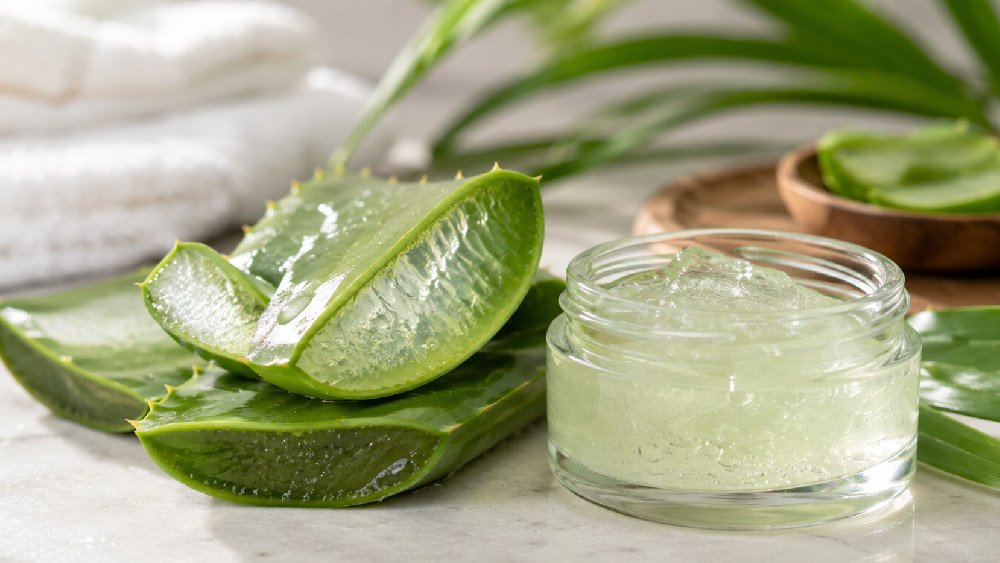
Unlike trendier ingredients, aloe vera has been used in skincare for centuries — but it’s also one of the few traditional remedies that holds up well under modern research scrutiny.
Why it works:
- Contains natural anti-inflammatory compounds that calm redness and irritation
- Provides lightweight hydration without clogging pores
- Has cooling properties that reduce puffiness, especially useful after sun exposure
How to use it at home:
- Use pure aloe vera gel (not products with added fragrance or alcohol)
- Apply a thin layer as a mask for 15 minutes, then rinse
- Safe enough for daily use, even on sensitive or acne-prone skin
What About Rice Water and Turmeric?
These two deserve an honest mention, since they’re everywhere in home remedy lists.
- Rice water has shown some evidence of improving skin barrier function, particularly in people with eczema, based on dermatology research on damaged skin
- Turmeric has anti-inflammatory and antioxidant properties, though most of the strong evidence for it comes from oral consumption studies rather than topical use — topically, its benefits are more anecdotal, though many dermatologists still consider it a reasonable, low-risk addition to a DIY face mask
Quick Recap
| Remedy | Best For | Backed By |
| Niacinamide | Brightening, even tone | 2004 Journal of Dermatological Science study |
| Vitamin C | Dullness, sun damage | 2017 Nutrients review |
| Aloe Vera | Redness, inflammation | Long-standing dermatology use |
Glowing skin isn’t about finding one miracle ingredient — it’s about consistently using the few natural remedies that actually have evidence behind them, paired with the basics: sunscreen, hydration, and sleep. Try adding just one of these three to your routine this week and give it a few weeks before judging the results — real skin changes take time, no matter what the ingredient.
Which of these three remedies are you going to try first? Tell us in the comments below, and follow us for more natural, science-backed beauty tips!